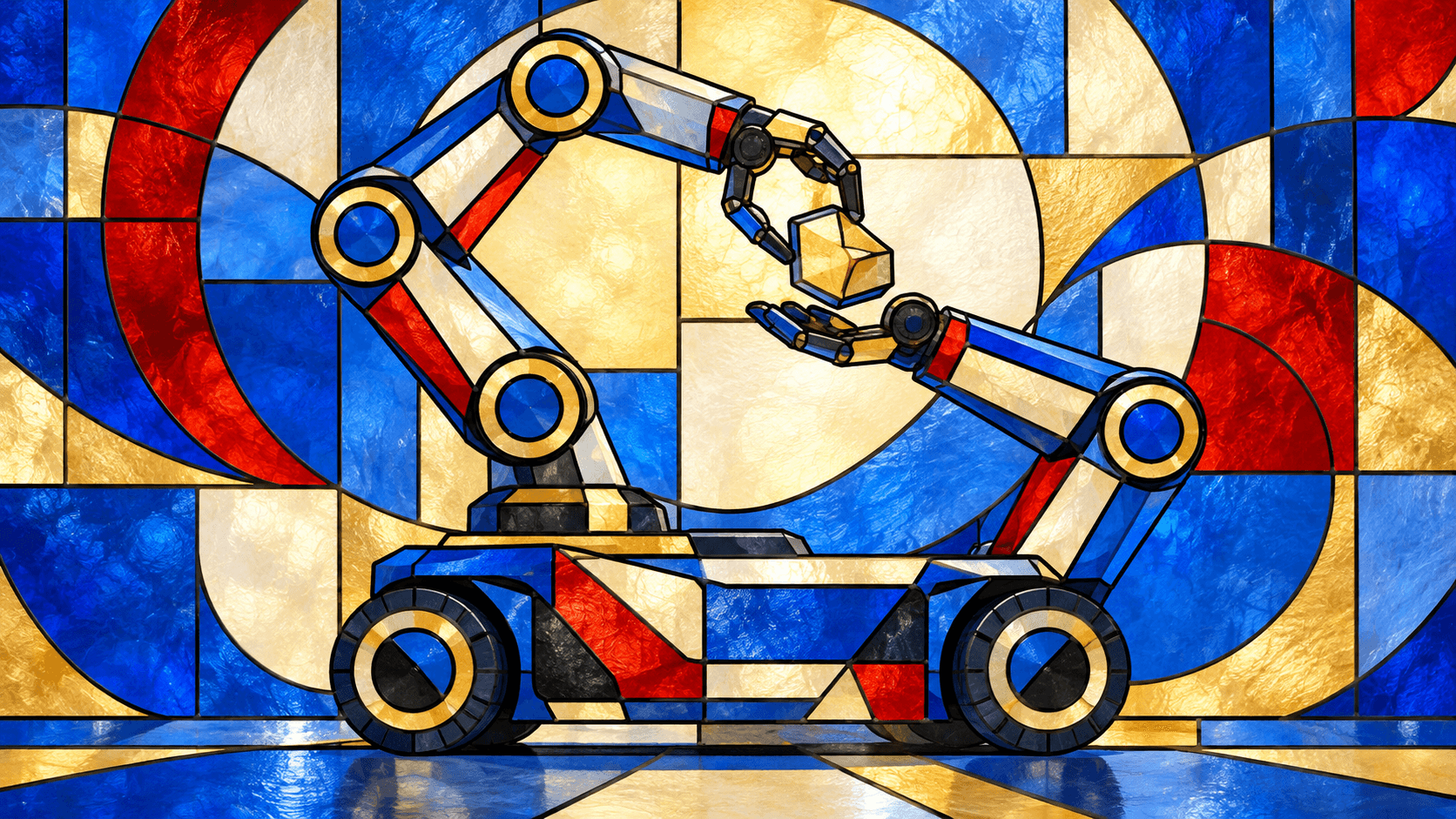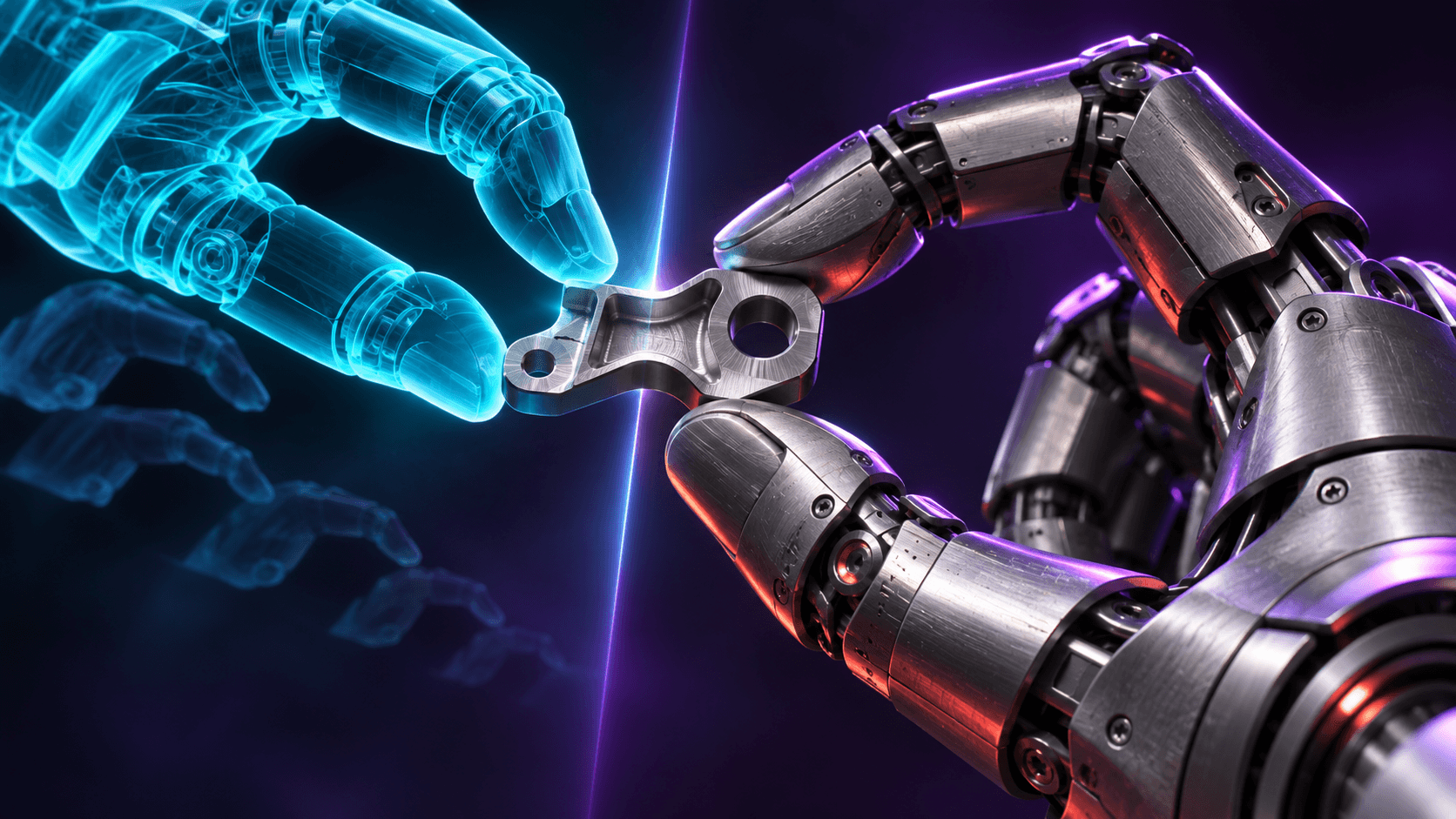
Google brings Gemini Robotics 2.5 to a new factory test
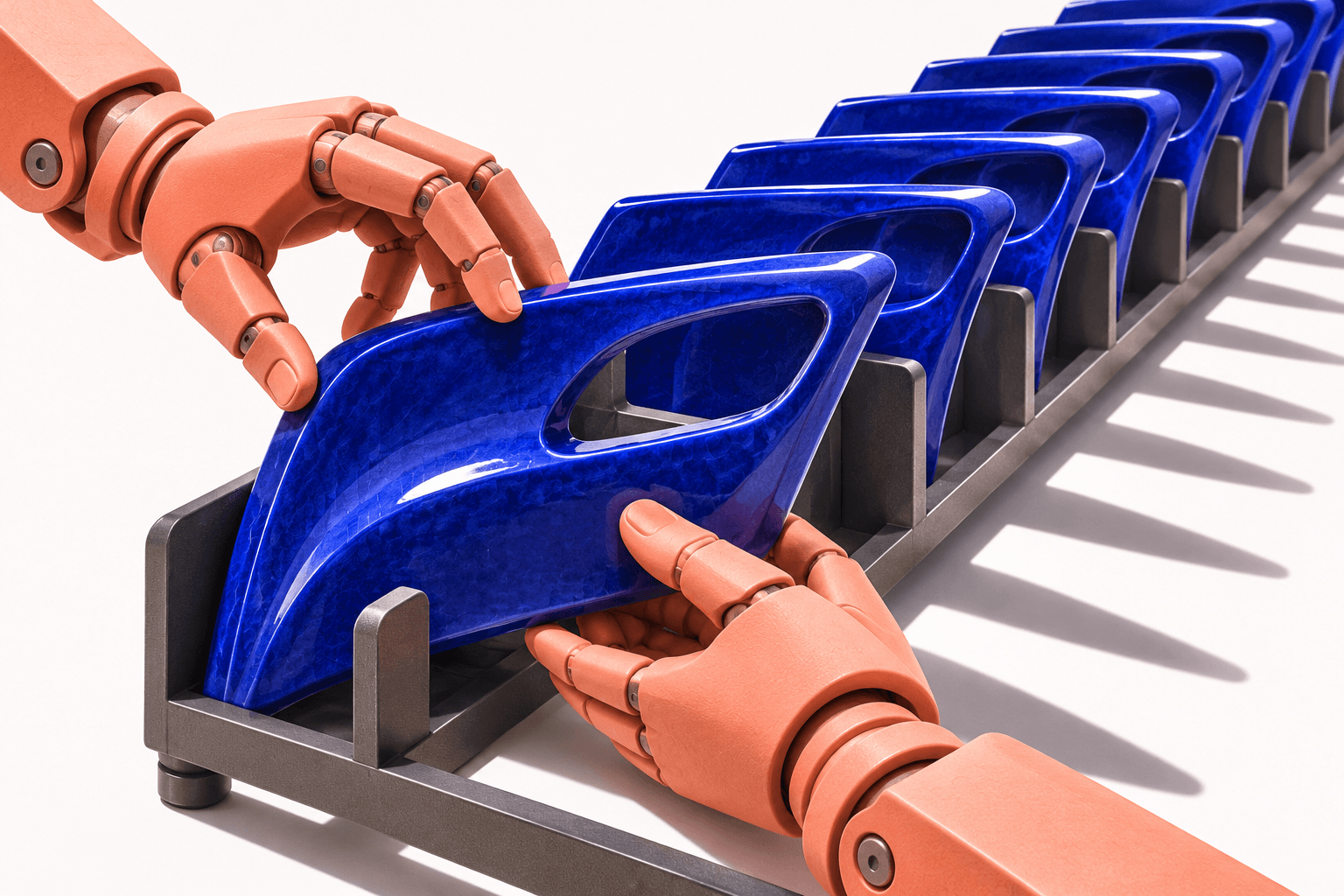
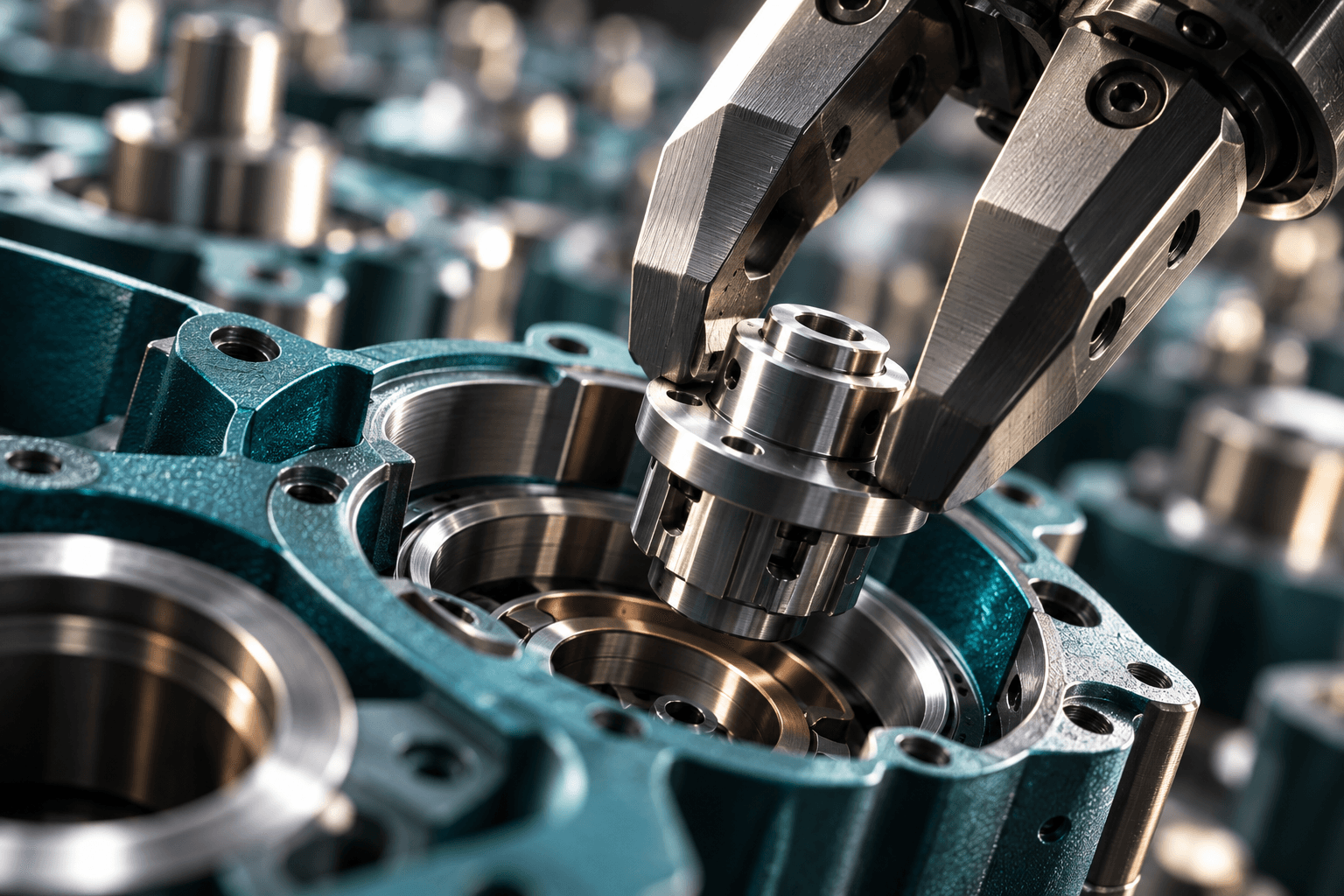
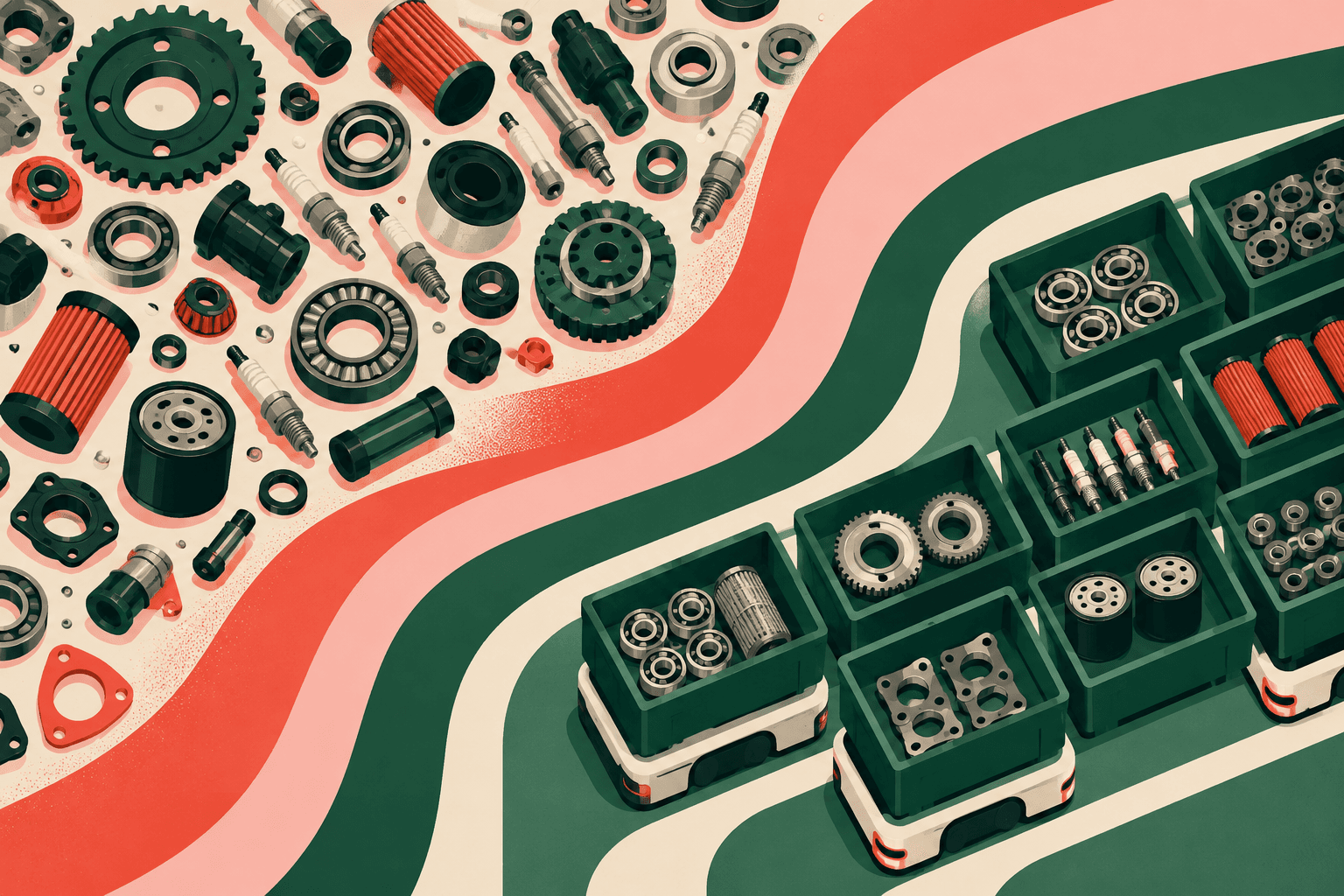
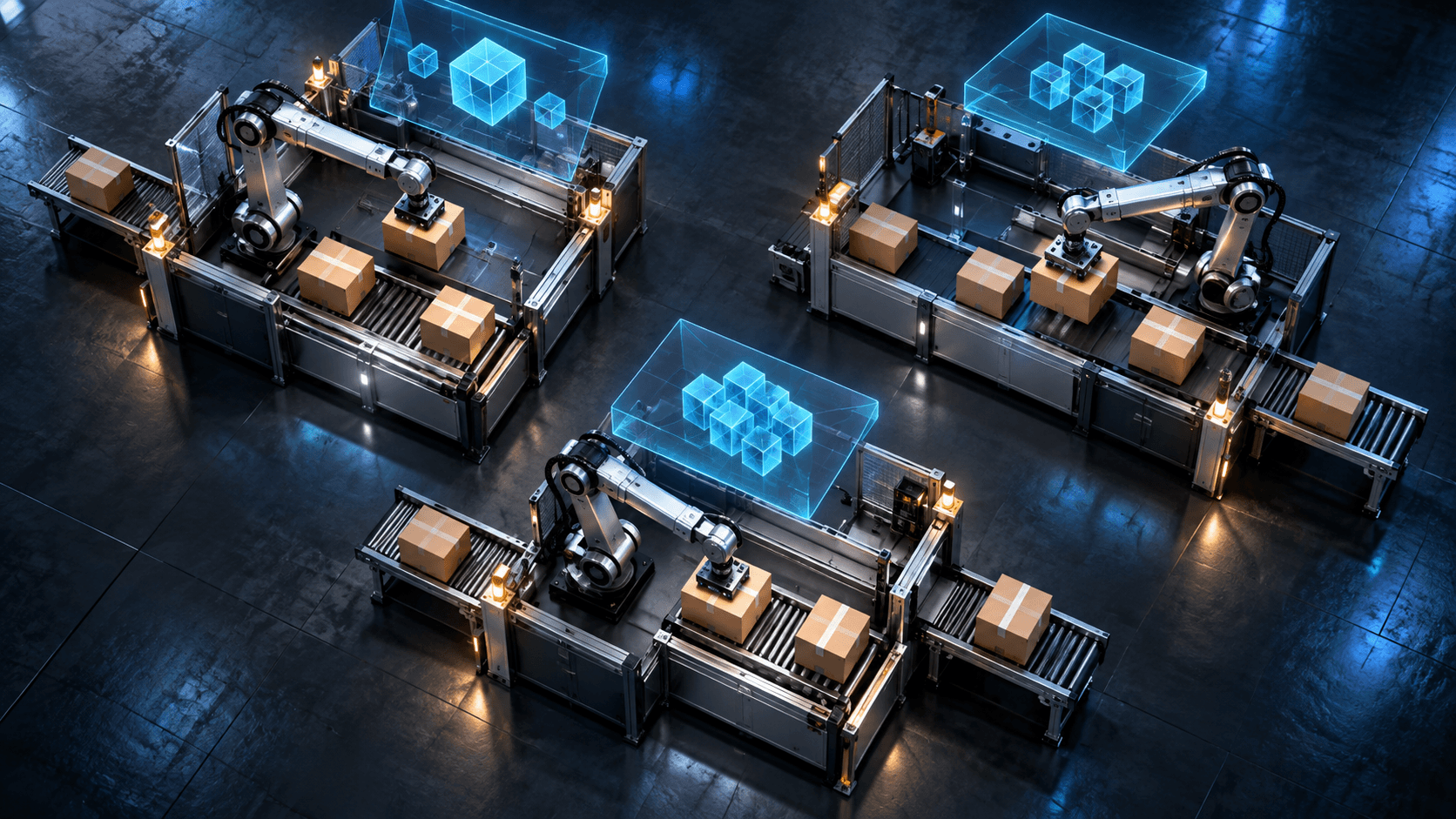
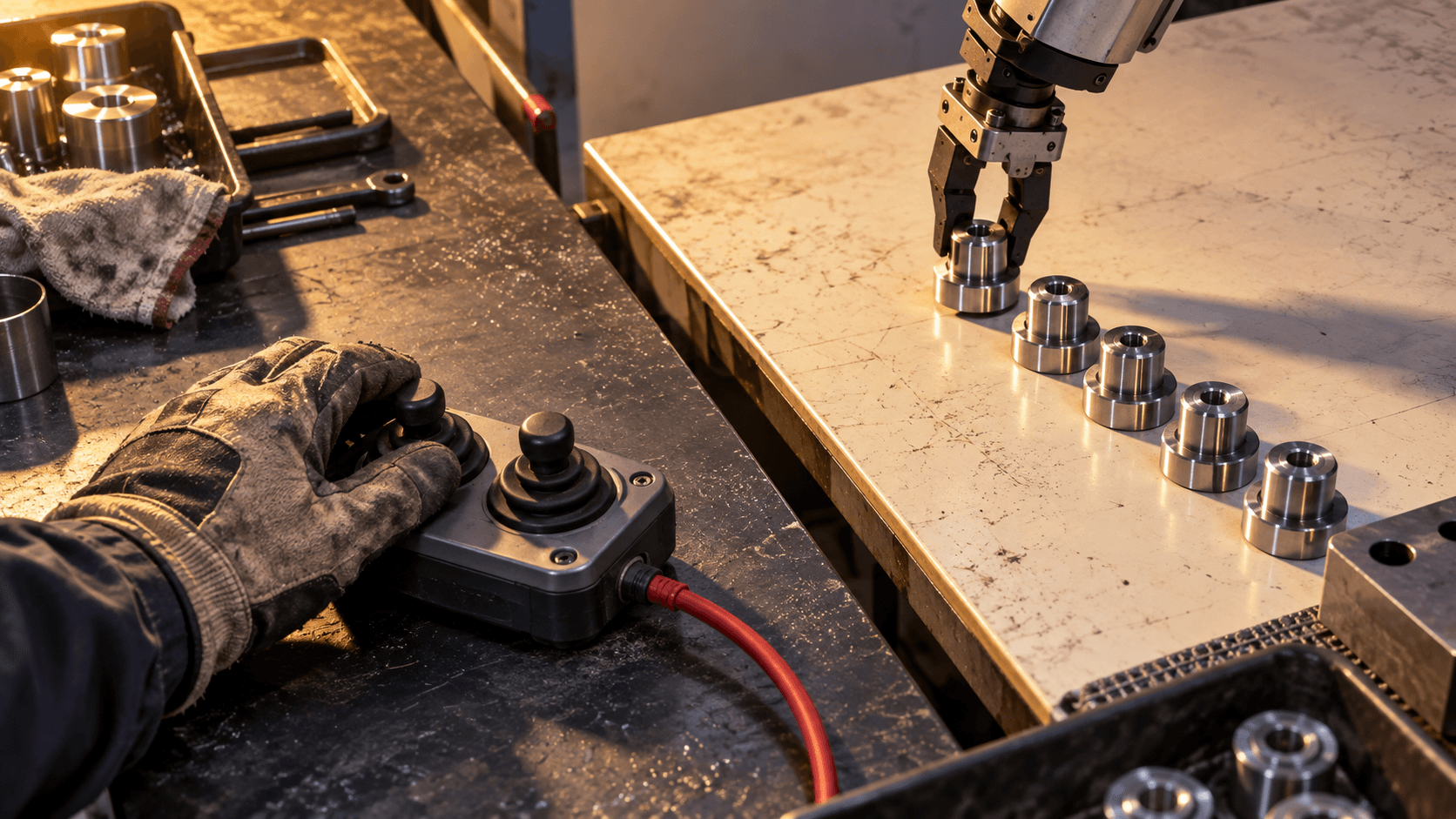
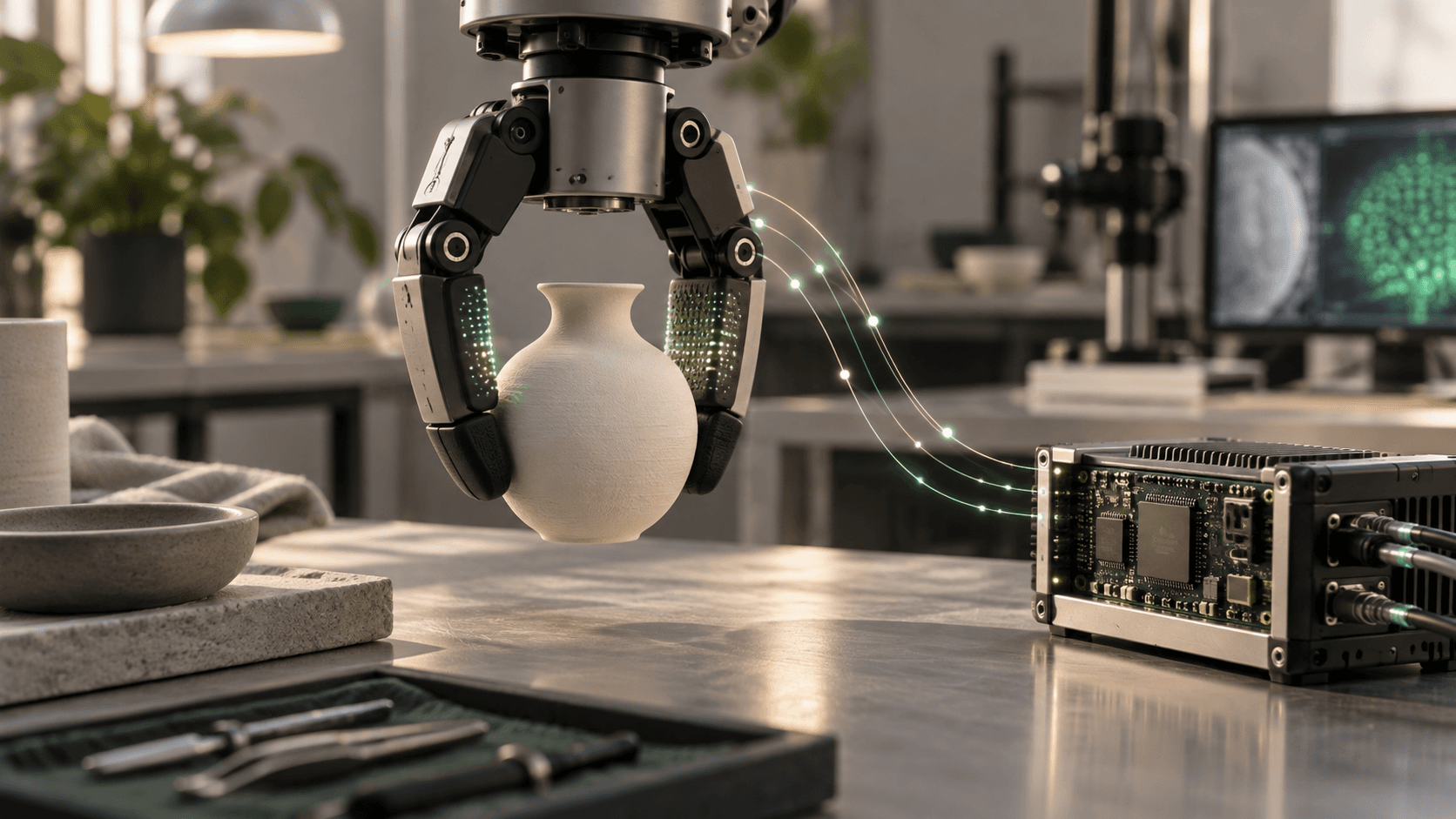
DeepMind’s latest robot action model combines broader dexterity with a reported 96% success rate in automotive parts kitting trials with Apptronik and Mercedes Benz.
News
Timely, sourced reporting on the companies, machines, and markets shaping physical AI.
Latest reporting

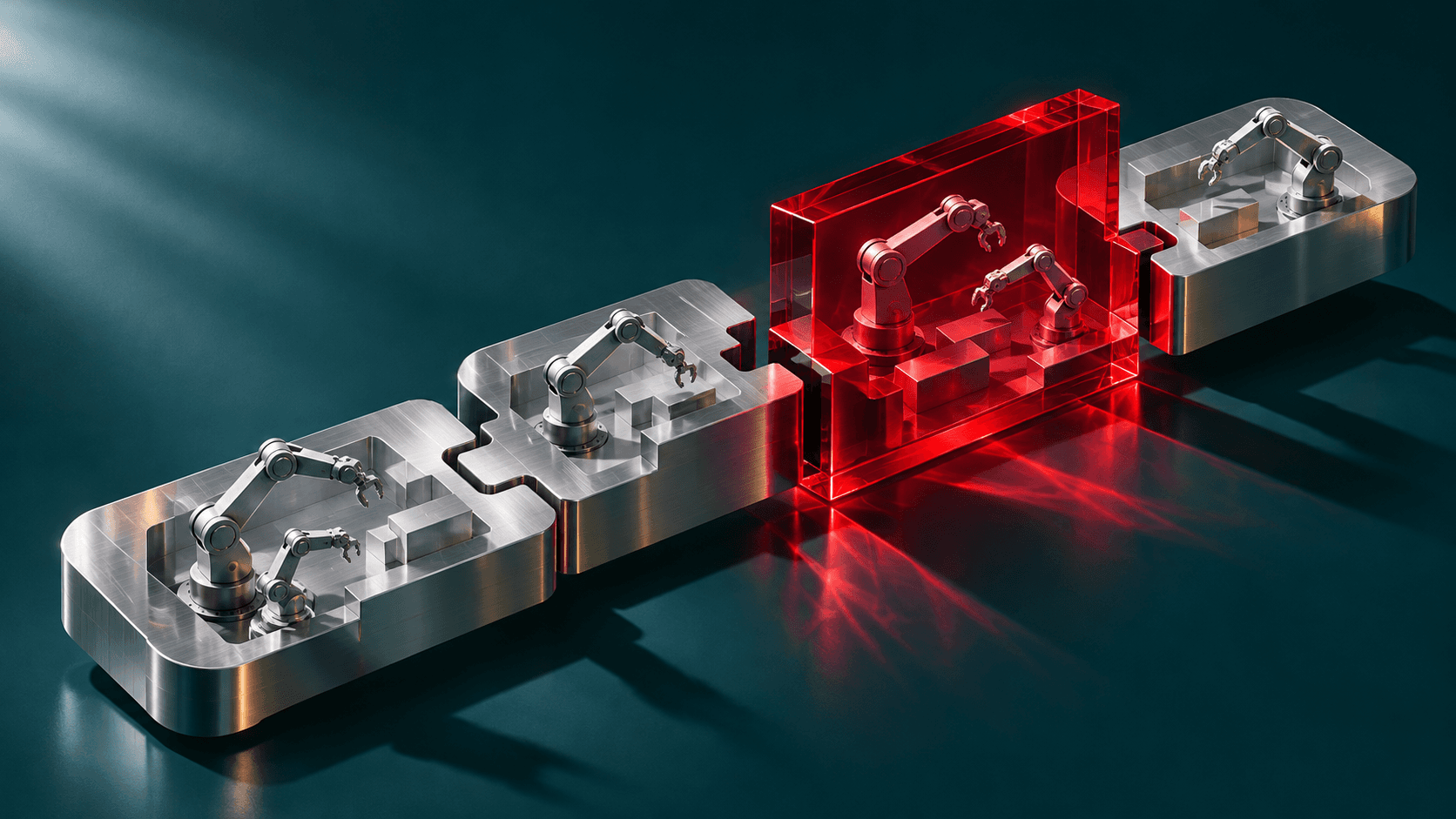
DeepMind’s latest robot action model combines broader dexterity with a reported 96% success rate in automotive parts kitting trials with Apptronik and Mercedes Benz.

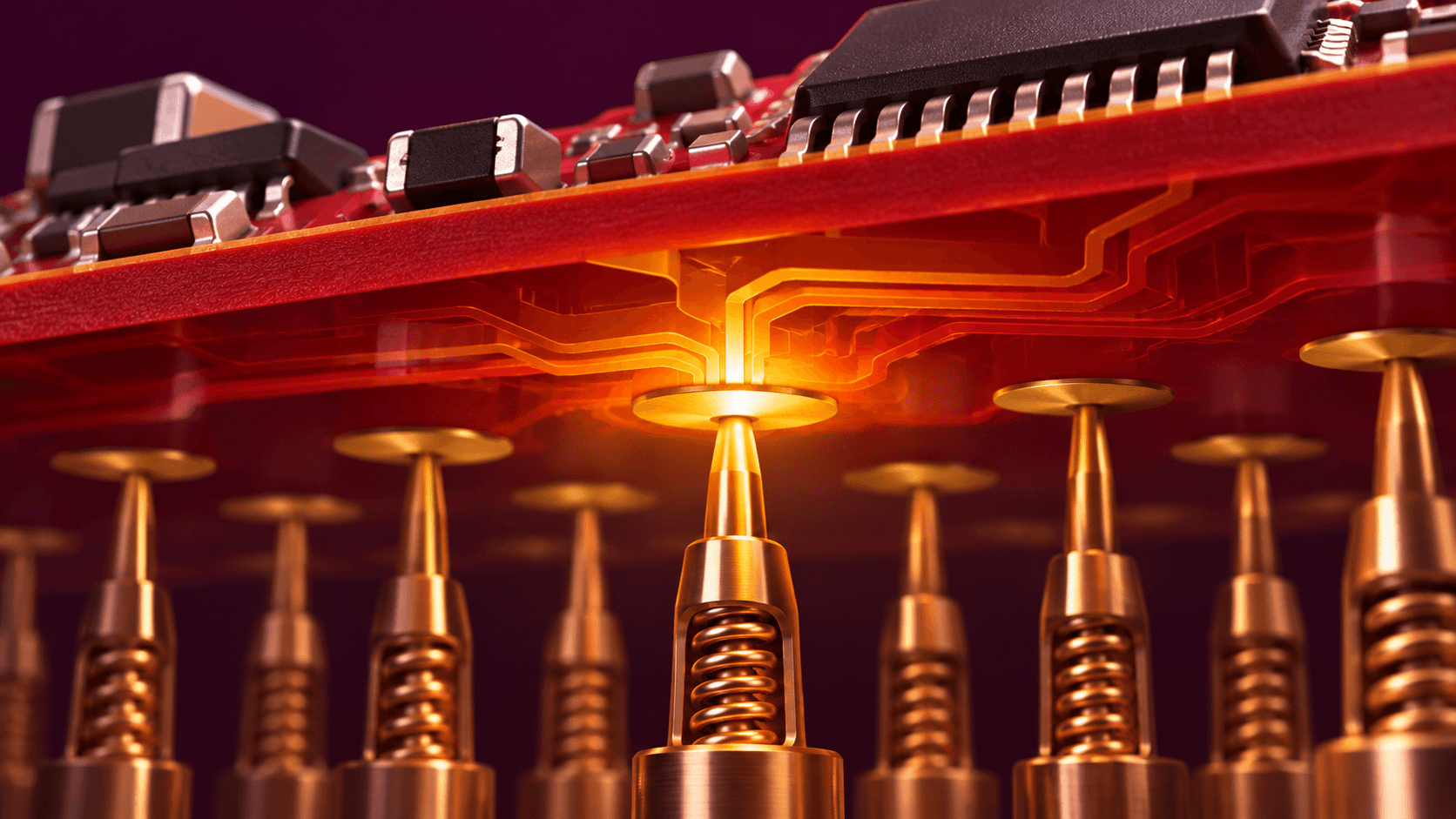
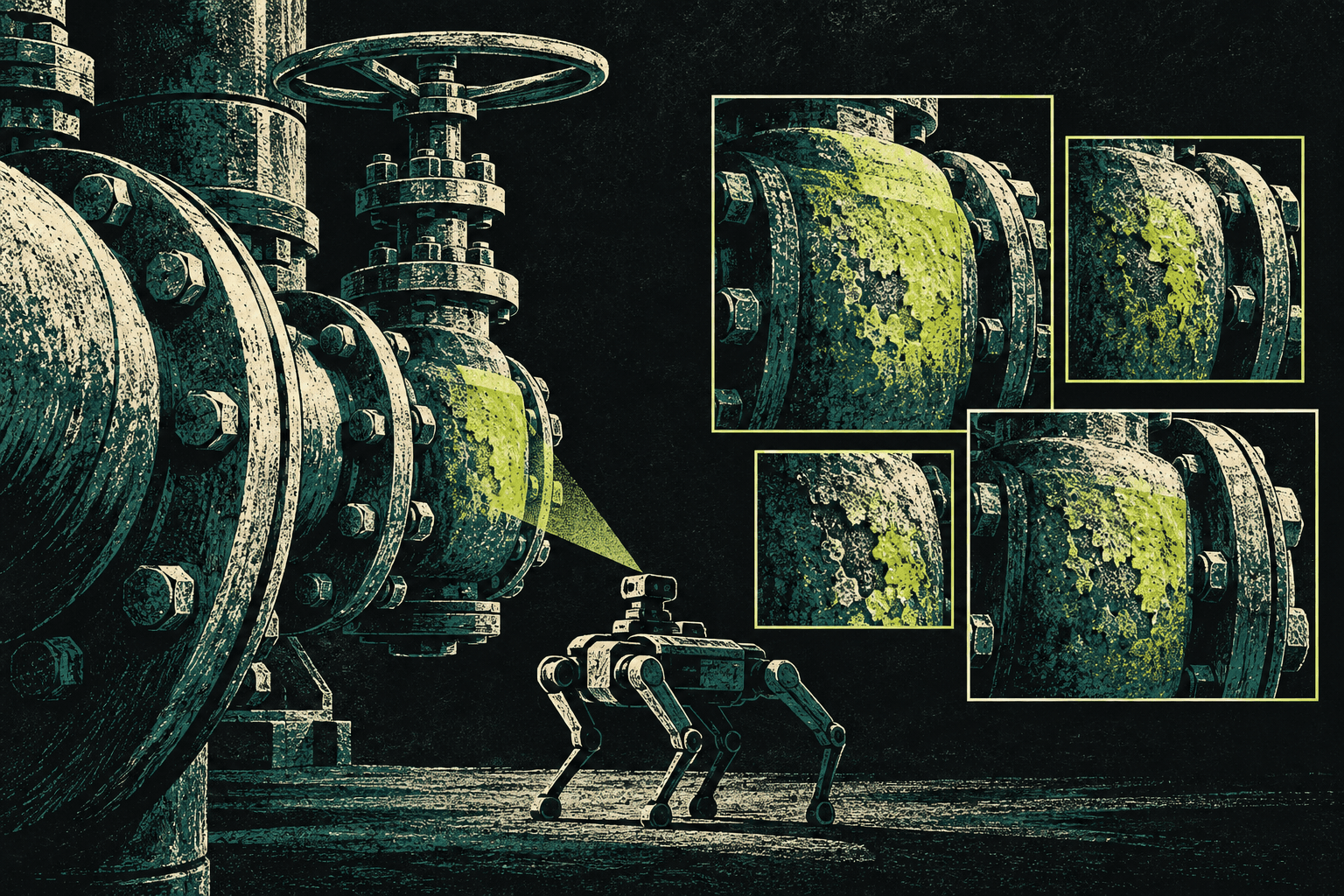
The new platform brings circuit board testing into automated production lines, targeting the computing, sensing and motion electronics inside robots and other edge AI devices.

The Chinese robotics company doubled its production total in two weeks, but how many of those machines are actually reaching consumers?

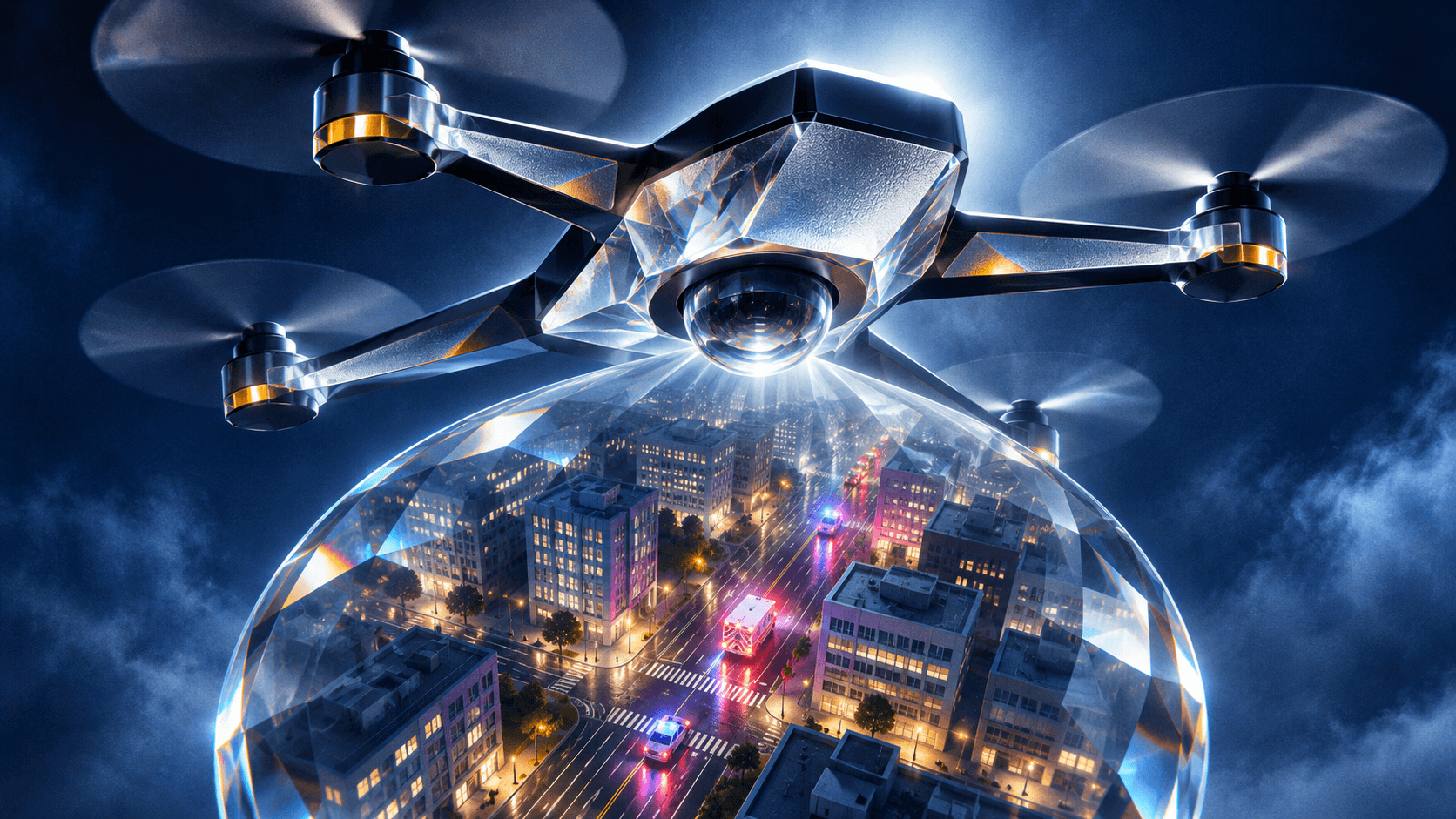
Axon’s roughly $1.2 billion staged investment is expected to lift its Skydio stake to about 37%, alongside exclusive public safety distribution rights in the United States and Canada.

Zipline has announced $1.5 billion in new funding at a $21.5 billion valuation, alongside a national agreement with Walmart to launch 300 additional drone delivery sites.

China has prohibited SoftBank’s acquisition of ABB’s robotics business in the country. The companies are still discussing the $5.375 billion global deal, with its scope, terms and closing path unresolved.

Agility Robotics joins Nasdaq as AGLT through a SPAC merger. Explore its $2.5B valuation, $465M gross capital raise, revenue and Digit robot deployments.

Pudu’s announced TOMO S mower series brings automatic blade sharpening into the charging cycle. The company expects sales in early spring 2027.

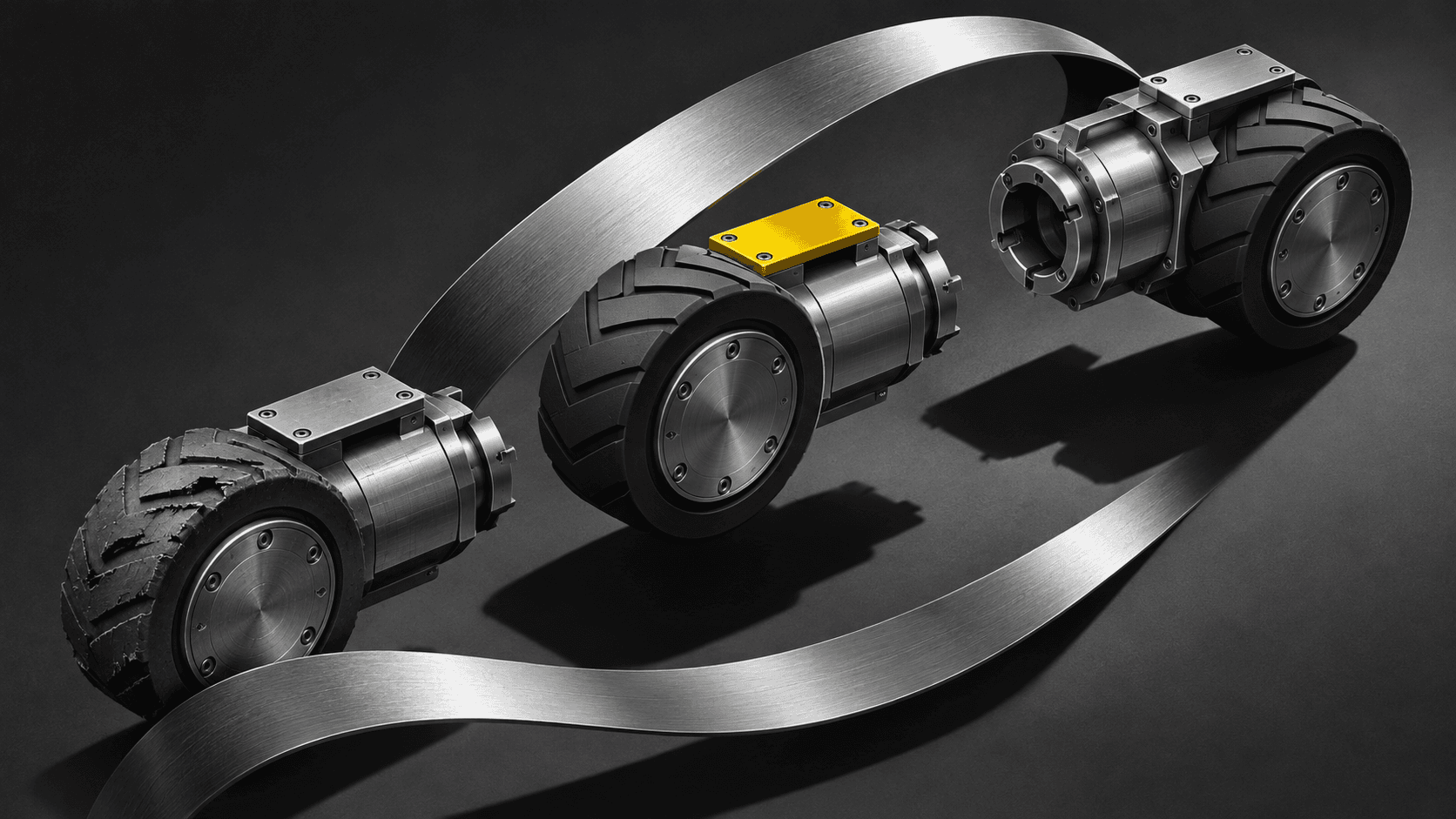
Boston Dynamics has redesigned its trailer unloading robot around fewer wiring faults, modular service and faster component replacement. Its advertised throughput remains dependent on the freight being handled.

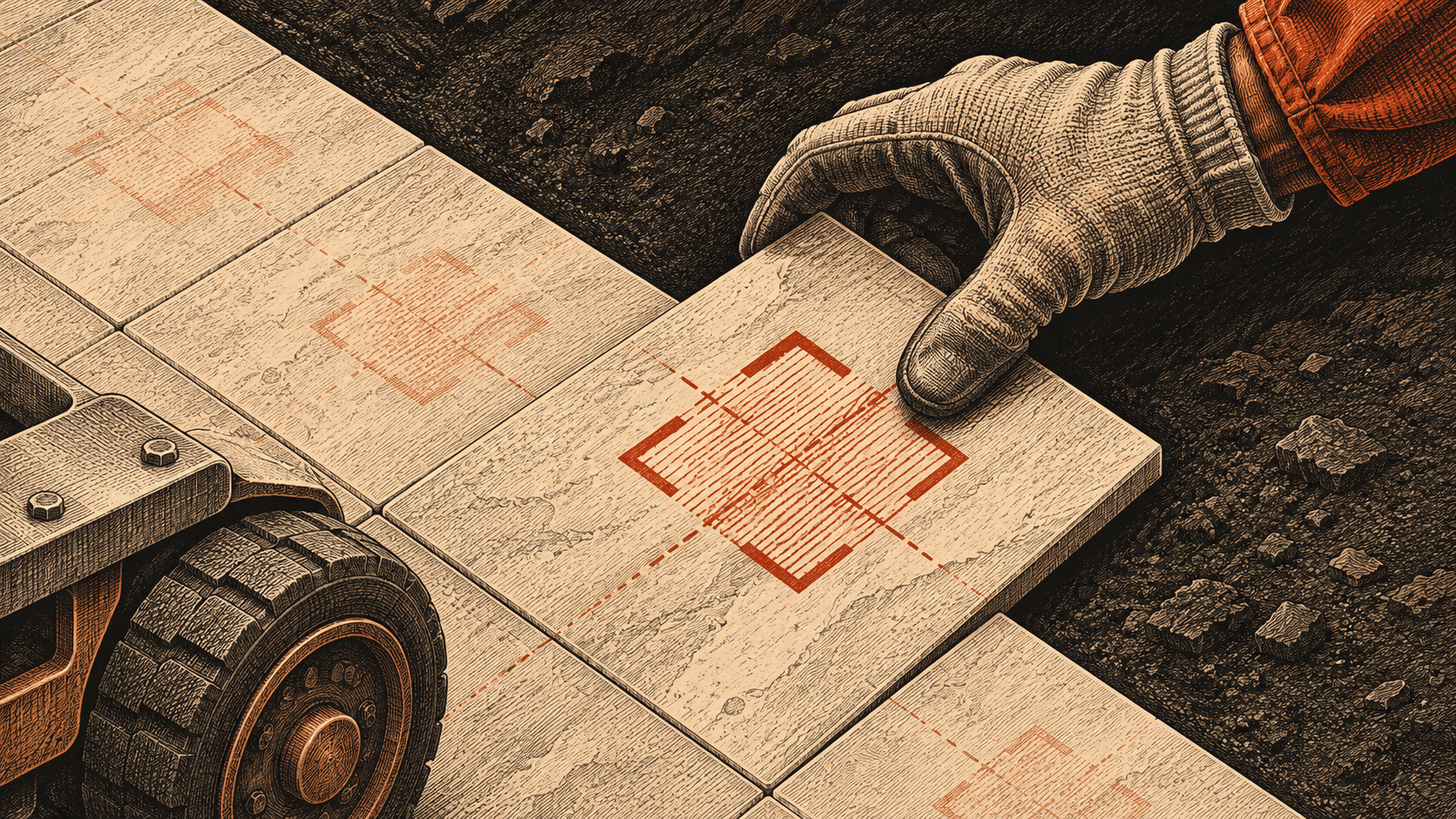
Human Friendly Robotics says Boop’s first robot insurance policy is underway for Tyler, its tiling robot. The pairing brings incident recording into the business of putting robots to work on construction sites.

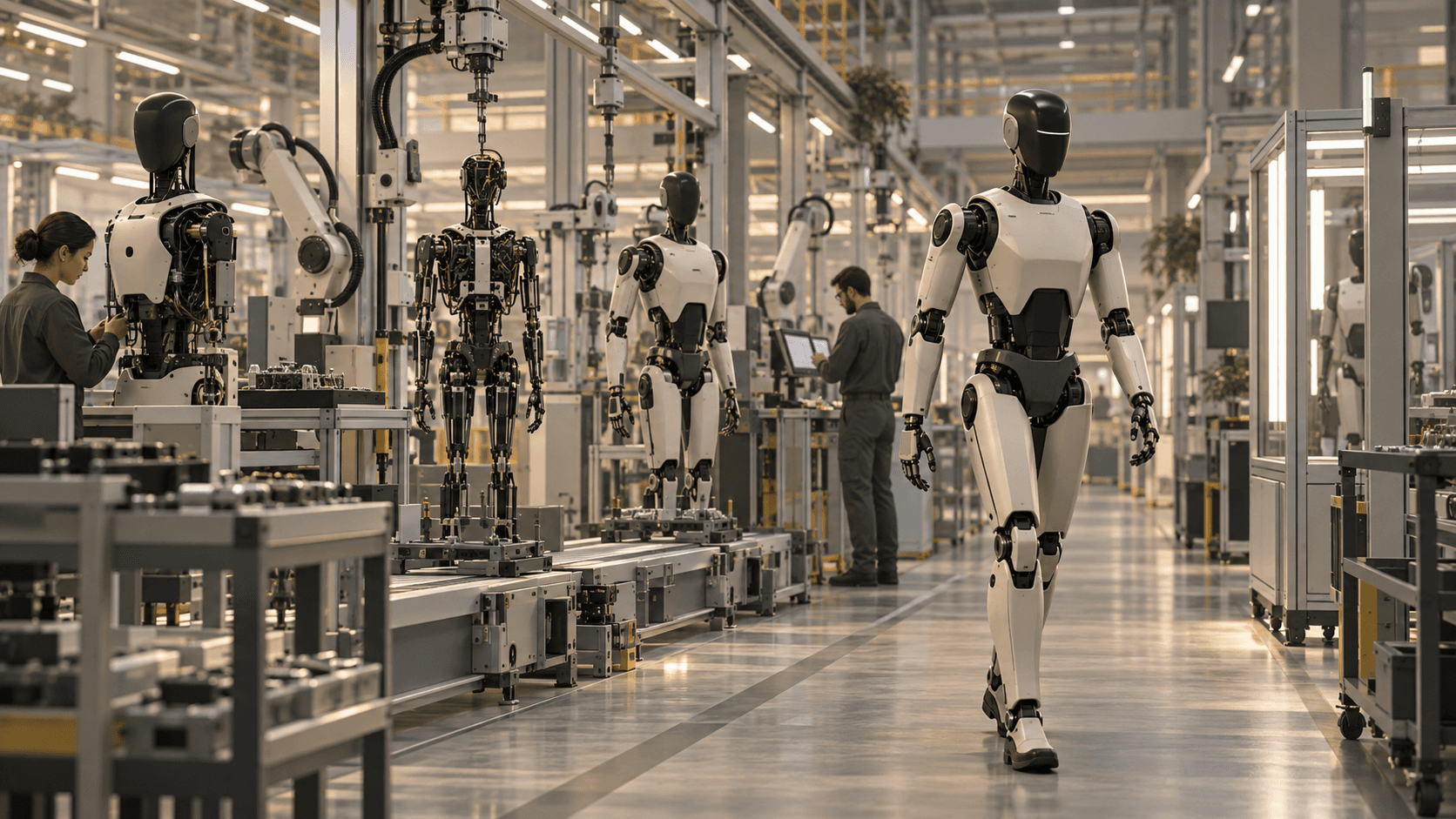
Xiaomi reports an eight hour panel sorting assignment at its car factory, with autonomous error correction and production line coordination. The result puts sustained work at the center of its humanoid trials.

Andreessen Horowitz leads Tutor’s $75 million Series B as the company expands Cassie and Sonny, combining customer work, remote human assistance and robot model training.

A reported three month build gives Meta a physical platform for robotics experiments. Its stated purpose is internal research, with a second version already in development.

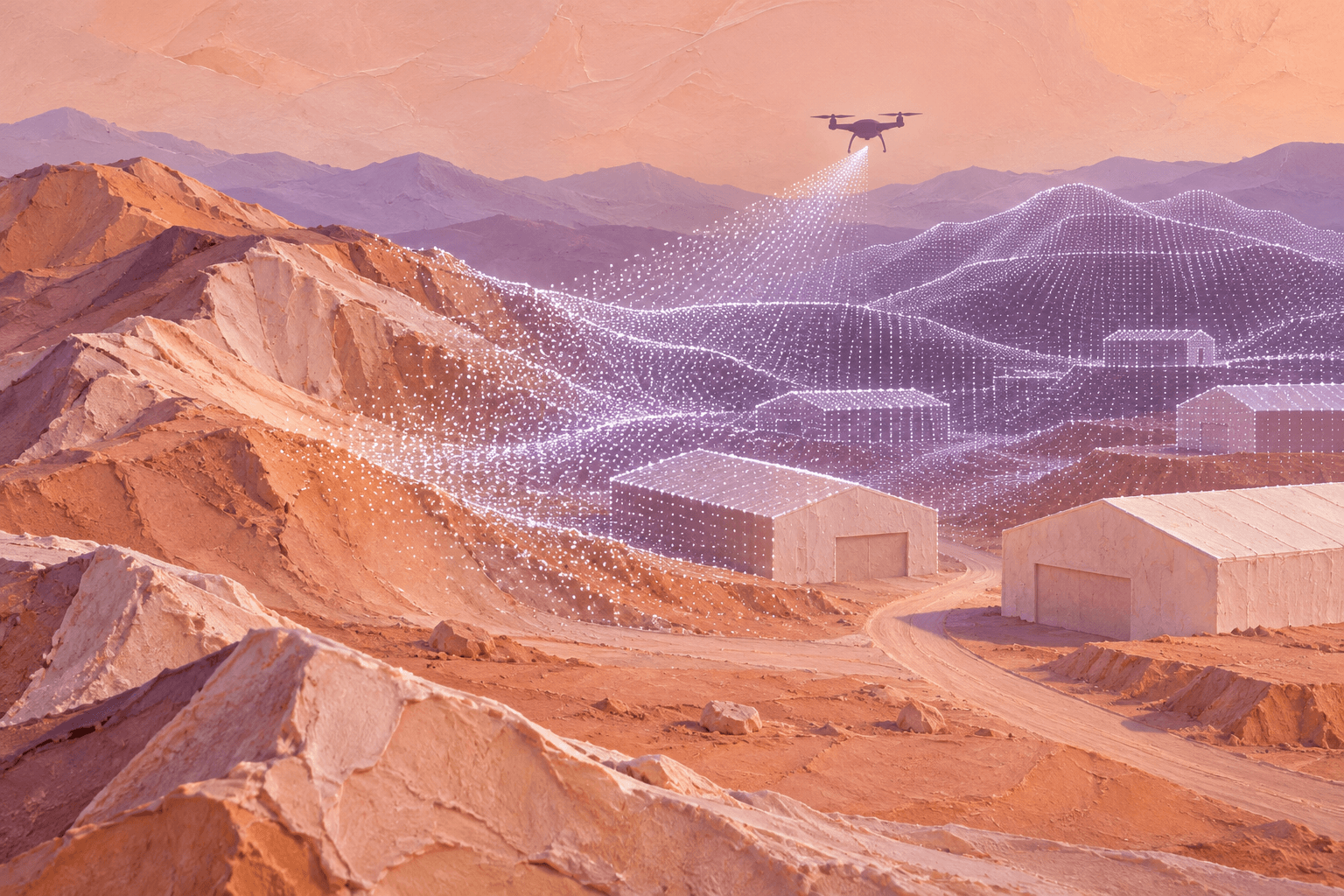
FieldAI has purchased MOVIA sensors for development and evaluation. Reported tests connect ground vehicle perception with live aerial mapping on a Robinson Unmanned Spirit aircraft.

PokeBot’s free RoboAPI preview lets developers test its action model on compatible robot arms. The documentation shows the camera, calibration and local control work behind that access.
Maximo says its robots have completed more than 300,000 construction tasks under commercial service contracts. A further three million tasks in its 2027 pipeline remain prospective work.

The $40 million Series E will support the robots, protocol software and data infrastructure that connect an AI’s proposed experiment with a result from the physical laboratory.

The $100 million Series A will support an operated manufacturing service, AI deployment and the buildout of a 130,000 square foot facility in Emeryville.

Inspection analytics gives Percepto a separate route to customers with existing drones, sensors and archives, while its autonomous collection systems remain part of the business.

A warehouse trial with Intel and customer inspection projects show how SAP wants business software to assign physical work and record the result.

CapitalG and Emergence Capital lead a Series C at a $4.1 billion valuation as Bedrock expands beyond its first paid autonomous excavator deployments.

Forge Plant Cognition will combine operating data, process expertise and AI at Dangote’s Lekki refinery. Honeywell projects more than $60 million in annual gross operational benefits at full capacity.

MicroVision reports production and shipping of MOVIA Pro from Orlando. The launch advances its commercialization push as US policy favors domestic drone supply chains and lidar expands across industrial and autonomous systems.

The Stop Beijing’s Bots Act proposes restrictions on Pentagon procurement, leasing and operation of specified robotic systems. Its deadlines would begin at enactment, and it is not a commercial robot ban.

FANUC’s October 23 results show growth across robots, machine controls, production equipment and service. Its revised outlook implies annual revenue of about $6.46 billion for the year ending March 2027.

Agility is standardizing Digit 5 on IGX Thor as it expands its human detection and safety architecture. Early access is planned for the first half of 2027, with availability increasing over the following six to nine months.

DSX POD brings Vera Rubin computing and supporting systems into factory assembled modules. NVIDIA says they could go live at prepared sites in as little as 14 days, with partner deliveries expected in early 2027.

AGCO expects to test Agility’s humanoid on parts sorting, stacking and tote storage at its Hesston plant. The commercial question is whether flexible handling can improve an ordinary production shift.

Sonair’s ultrasonic sensor brings a moving protective zone to PALTZ palletizers. The business case rests on fewer interruptions during everyday work.

A public API puts the startup’s robot model within developers’ reach. The bigger test is whether skills can travel reliably between different machines.

Rosie’s advertised $81,600 annual service puts a price on robotic hose work. The return depends on useful hours, remaining manual tasks and the full sanitation cycle.

China’s October 16 notice activates registration for specified technology transfers while proposed catalogue restrictions remain open for consultation through November 15.

Capital Machine’s purchase of KC Robotics joins fabrication equipment, custom robot integration and service. The commercial test is delivering complete systems through a broader customer network.

NAPA selected Hy-Tek and Hai Robotics for a coordinated storage and retrieval system. The project puts software, testing and process design at the center of the automation decision.

Shorter charging stops could change fleet size, cost per productive hour and the tasks robots can take over. The larger labor impact depends on what happens during the rest of the shift.

The lidar supplier’s camera and cloud platform put scene capture at the start of a larger commercial proposition: environments that robot developers can keep using.

Google’s Real2Sim experiment points to a faster path from a workspace observation to useful robot practice, with better results on physical hardware.

A builder commitment and fresh manufacturing capital test different parts of the same challenge: turning robotic construction into a repeatable business.

The new service lets robotics teams adapt models on managed infrastructure. Its wider significance is a possible shift in competition toward application data, integration and dependable operation.

Forterra has launched OneLink, a common operator interface for autonomous systems, and announced its selection as the systems integration partner for the US Army’s Joint Readiness Training Center unmanned systems program.

A final FCC rule takes effect today that can block new equipment authorizations when a device contains certain logic bearing hardware made by an entity on the agency’s Covered List.

Stryker has agreed to make an approximately $400 million preferred equity investment in CMR Surgical and become the exclusive US sales agent for its Versius surgical robotics portfolio.

Ultra combines warehouse robots, a recurring service business and models from Physical Intelligence. Its latest financing puts capital behind a practical approach to automation: start with a useful job, then improve the system through deployment.

The proposed acquisition connects a working inspection platform with Beam's manufacturing footprint. Its value will depend on closing the transaction, transferring production and turning access to customers into repeat orders.

The upgraded delivery endpoint moves package recognition onto the device as Arrive AI works to turn hospital experience into a repeatable commercial product.

The Series B will support wider physics coverage and engineering automation, with the commercial case resting on detailed analysis that engineers can use throughout design.

Multiply Labs is financing a larger robotic equipment business around pharmaceutical workflows, with published task comparisons and a manufacturing expansion in Italy shaping its next phase.

Unitree is offering its Dex5 S dexterous hand from $6,350, bringing a visible entry price to a compact component with 22 motorized degrees of freedom. The commercial question is whether accessible hardware can make manipulation research faster and, eventually, useful work cheaper.

Volvo’s autonomous trucks are carrying Warp freight between Dallas and Houston, putting Waabi’s driving software to work inside a network that combines shipments from multiple customers. The commercial opportunity is to make those shared freight movements more productive, with driverless operations still ahead.

RobCo says it has passed a $1 billion valuation in a transaction that combines new investment with liquidity for employees. Alfie’s commercial launch is planned for March 4, 2027.

Bonsai Robotics introduced Bonsai World on October 2 to prepare rugged autonomy in simulated environments before deployment. Its commercial test is less repeated field work and dependable operation at new sites.

ANYbotics is renaming Data Navigator as Shift, with an October software update designed to connect plant signals, robot inspections and maintenance action. Mixed hardware support remains a future direction.

Destro AI’s $8 million seed round backs software that coordinates warehouse robots and workers. Its Yusen cart movement deployment gives the thesis a concrete starting point.

Tangent Robotics has raised $4.5 million to develop robot hands, touch sensing and learned motor skills for manufacturing. The commercial test is repeatable performance in delicate assembly work.

Aleph’s $7.5 million financing backs work on autonomous surgical robots. Its research program tests whether learned surgical skills can become dependable clinical work that expands access to care.

NVIDIA’s VSS 3.3 announcement combines easier video agent assembly with adaptive sampling that reduces repeated model processing. Its reported efficiency gains put industrial video economics under a practical test.

Dyna’s September 29 release combines a wheeled robot, learned physical skills and workflow reasoning in an hour-long laundry demonstration. The next test is repeated performance across real customer shifts.

ABB’s E-Device gives compatible Windows tablets and PCs access to OmniCore robot controls. The launch separates the screen from dedicated safety hardware and raises a practical question: how much of robot commissioning can become easier without changing the workcell?

Sharpa has introduced the D01 robot, W02 tactile hand, and AE01 haptic data glove as a connected hardware stack for dexterous manipulation. The specifications are detailed and the integration story is credible, but pricing, delivery timing, independent benchmarks, and customer results remain undisclosed.

AMD has agreed to acquire World Labs in an $8.2 billion all stock transaction that would bring spatial intelligence research and Fei Fei Li inside the chipmaker. The strategic logic is clear, but the price arrives before World Labs has disclosed meaningful commercial evidence for its newest models or robotics simulation work.

Extend Robotics has raised £2.6 million to expand a service that charges manufacturers for completed tasks while combining remote operators, robot hardware, and increasing automation. The model lowers the barrier to a first deployment, but its economics still depend on reliability, operator leverage, and evidence from production.

Microsoft researchers found that moving selected robot inference workloads to nearby or cloud GPUs could improve performance and battery life. The same experiments show why latency, bandwidth, and safety prevent a simple return to cloud robotics.

Qualcomm has agreed to acquire PickNik, the company that leads development of MoveIt and sells the MoveIt Pro platform. The deal could connect robot manipulation software more closely with Dragonwing edge computing, but its value will depend on execution, community trust, and continued support for competing hardware.

Amazon will invest more than $100 million in a 585,000 square foot Greenwood manufacturing plant expected to open by 2028. The larger signal is a shift from proving individual warehouse robots to building the domestic factory network needed to deploy them at Amazon scale.

OpenAI is recruiting across robot software, custom actuators, manufacturing, data operations, and supply chain. The larger signal is an attempt to own the complete learning loop from physical work to training data, with infrastructure as the likely first proving ground and personal robots as the distant ambition.

SoftBank has reportedly agreed to acquire the research institute founded by Boston Dynamics creator Marc Raibert. The clearest opportunity is to connect its work in robot learning, manipulation, and mobility with the industrial scale SoftBank expects to gain through ABB Robotics, but the terms and integration plan remain undisclosed.

Faraday Future has expanded from electric vehicles into a 24 product robotics catalog spanning humanoids, quadrupeds, and mobile manipulators. The prices are public and the products are listed for sale, but the company still needs to prove demand, deployment performance, and a durable business beyond imported hardware.

D Robotics plans to expand the chips and software that robot builders use for perception, reasoning, and control. The round is large, but the company did not disclose its valuation or identify the investors, and its shipment and adoption figures remain company claims.

Figure says Index pretraining raised complete task success from 9 percent to 56 percent across household work in 30 unseen homes. The transfer result is important, but the company has not published per task results, trial counts, operating speed, intervention frequency, or independent validation.

Watney says its robots are already working for major computing customers and have accumulated hundreds of thousands of operating hours. The funding is substantial, but the company has not disclosed its valuation, customer contracts, fleet size, revenue, or the measurement behind its reliability claim.

Gen 7 combines three new robot arms with a redesigned controller, tool interface, teach pendant, and software stack. The architecture may make advanced sensing and edge processing easier to deploy, but Universal Robots has not disclosed pricing or customer performance data.

BCV has closed a $1.6 billion venture fund spanning artificial intelligence infrastructure, physical AI, science, security, and services. The scale is clear, but the firm has not disclosed how much capital will reach robotics or how quickly it will be deployed.

A new simulated tactile module gives developers a way to model fingertip pressure while Synaptics positions local processing beside the sensor. The integration is real, but production performance and customer evidence remain undisclosed.

Odyssey 3 uses one pretrained visual backbone with small action layers for several physical and virtual systems. The demonstrations are unusually broad, but most results remain company reported and a public release is still weeks away.

The new industrial humanoid is designed to lift 50 pounds repeatedly, recharge in nine minutes, and work near people. Early access is planned for 2027, leaving safety validation and production scale as the next tests.

The new policy is designed to move from a sensorized human hand to arms, mobile manipulators, and humanoids without teleoperation or on-robot training data. The launch shows an ambitious data strategy, but not yet a public benchmark or commercial product.

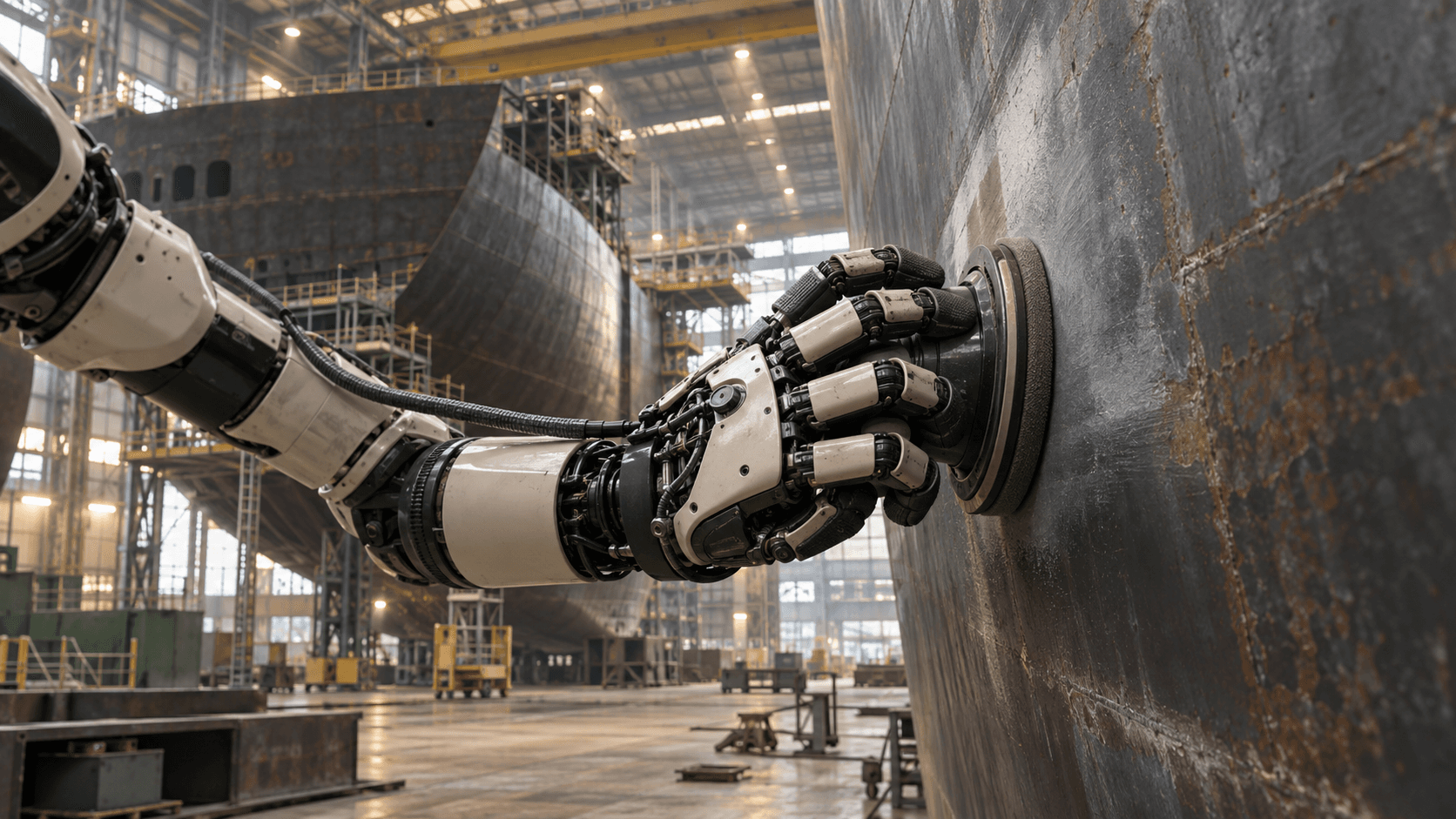
A KRW 13 billion investment connects force and tactile sensing with robot hands, surface finishing, and future humanoid work in shipyards. The commercial test will come on steel, not in a laboratory.

The Liuzhou plant is built around a ten minute line cadence and Siemens production software. The harder test is whether installed capacity becomes reliable output, customer deployments, and profit.

The alliance brings together robot bodies, dexterous hands, learned behavior, data, and simulation. Samsung SDS wants to connect them to production through a robot orchestration platform planned for 2027.

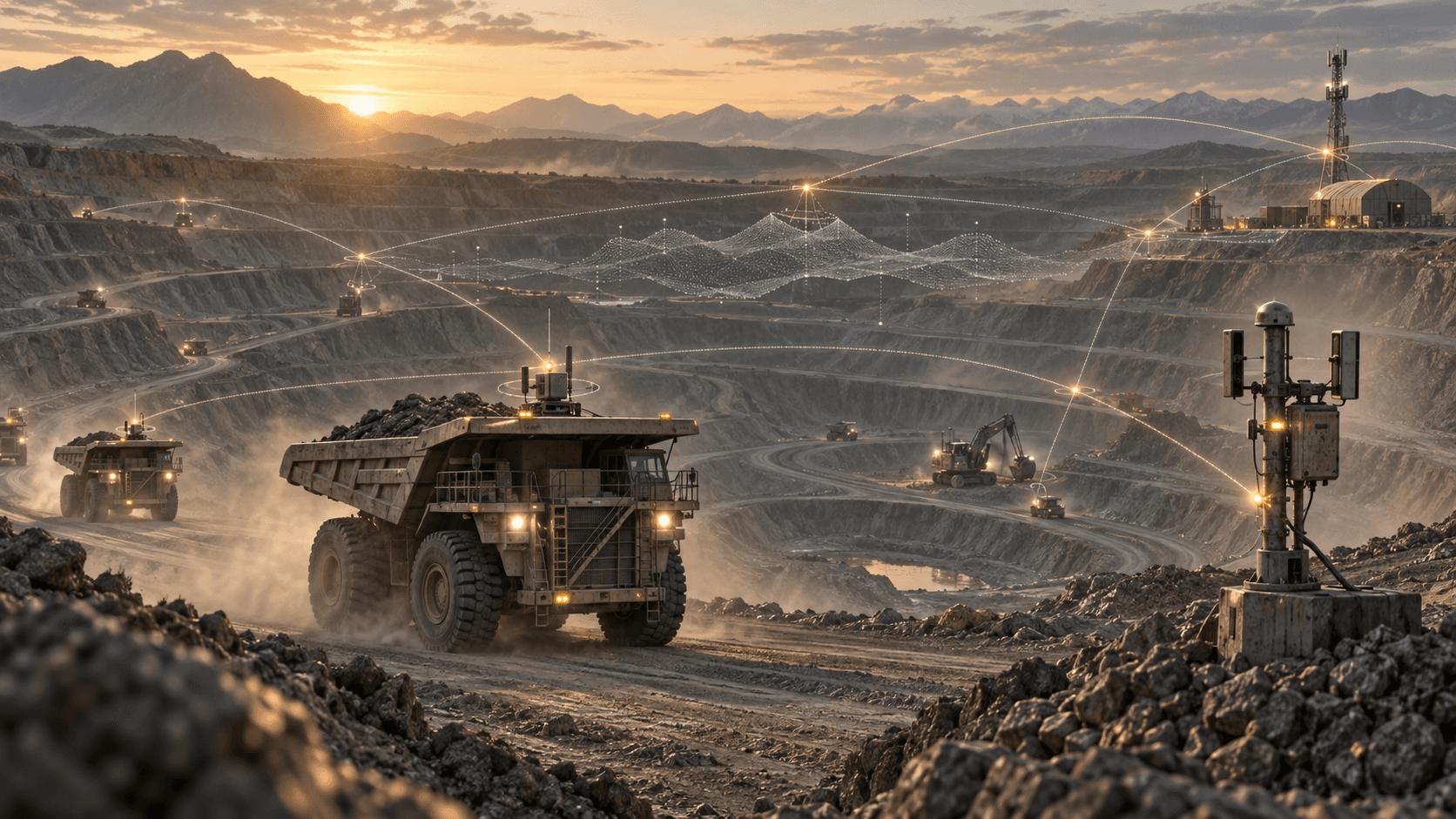
Cognitive Operations combines rugged local computing, resilient communications, and a live operational picture for mines, emergency services, and other environments where the cloud may be too far away.

The former Apple engineering team is emerging from stealth with customer deployments, a wheeled dual arm robot, and a task by task plan to build a broader industrial platform.

Greylock is backing a young simulation company that wants autonomy teams to test hardware, sensors, models, and control software across thousands of virtual scenarios before changes reach a real machine.

The German robotics company has assembled an unusually large investor group and is already adding manufacturing partners, training facilities, and acquired robot businesses. The harder question is how much capital is committed today and how quickly it can become dependable production.

The partnership connects enterprise AI software with dedicated compute capacity. Its commercial test will be whether customers gain useful control over their models without taking on an unmanageable operating burden.

Palladyne IQ will be optimized for FANUC robots as the companies pursue faster deployment, adaptive motion, teleoperation, simulation, and repeatable manufacturing workflows.

The mobile robot combines voice assistance, room navigation, family alerts, smart home control, and companionship for older adults living independently.

The new public benefit corporation is building virtual physicists to accelerate discovery, beginning with data center optimization and an ambitious mission to Alpha Centauri.

The heavy equipment leader is combining its industrial data and engineering expertise with FieldAI's robot foundation models and NVIDIA's simulation stack.

The former Apple and PrimeSense team is moving its integrated robot perception platform into production with fresh capital for silicon, sensors, software, and commercial expansion.

The human scale hand combines independent joint actuation, precise force control, and visual touch sensing for demanding manipulation tasks.
Black Scarab Weekly
Get Black Scarab news, deep research, and practical analysis in one clear Thursday briefing.